
How to Transition to a Vegan Diet: Your Complete Step-by-Step Guide
How to transition to a vegan diet the right way — science-backed steps, common mistakes to avoid, and a starter pantry list from a certified vegan coach.
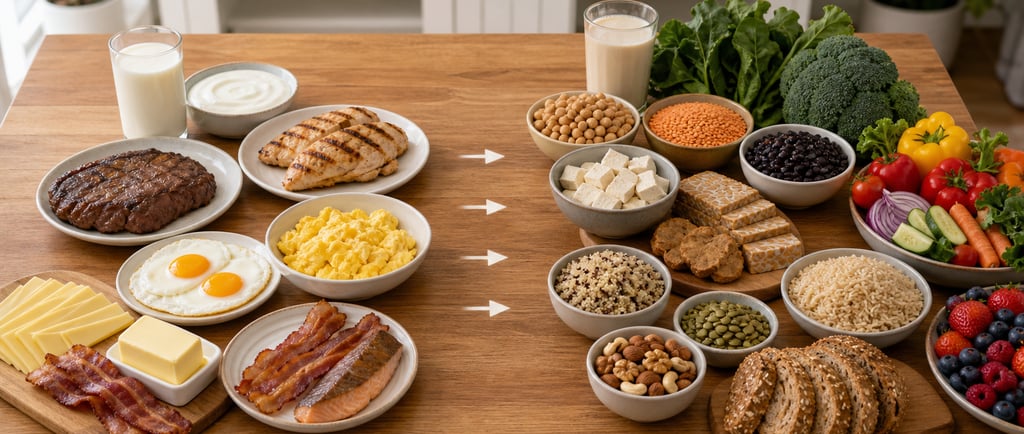
So you're thinking about going vegan — or maybe you've already decided and you're trying to figure out exactly how to do it without feeling lost, overwhelmed, or constantly hungry.
I've been there. After 23 years as a certified personal trainer and nutrition coach, I made the switch to a fully plant-based diet 12 years ago. And while it was one of the best decisions of my life, I'll be honest — there was a lot of learning to be done.
This guide is what I wish I'd had when I started. Whether you're motivated by health, ethics, the environment, or all three, this is your straightforward, no-nonsense roadmap to transitioning to a vegan diet the right way — without losing energy, feeling deprived, or giving up after two weeks.
Why Go Vegan? What Does the Science Say
Before we get into the how, let's talk about the why — because understanding the real benefits makes it a lot easier to stay committed when things get challenging.
The evidence for plant-based diets has never been stronger. A sweeping review published in 2024 that analyzed 49 previously published studies found that vegetarian and vegan diets are broadly associated with better cardiovascular health, lower blood pressure, better blood sugar management, and lower body mass index. The same review found that vegan diets are linked to a reduced risk of ischemic heart disease, certain cancers, and death from cardiovascular disease.
For weight management specifically, a 2025 study found that participants following a vegan diet lost an average of 6.7% of their body weight over 12 weeks — significantly more than comparison groups following other dietary patterns. A separate randomized controlled trial showed that a low-fat vegan diet produced greater weight loss and improvements in body composition, insulin sensitivity, and cholesterol levels than the Mediterranean diet.
For gut health, a landmark 2025 study analyzing over 20,000 individuals across five countries found that vegans had gut microbiome profiles most strongly associated with favorable cardiovascular health markers. Vegans had the highest levels of bacteria that specialize in fermenting fiber — producing short-chain fatty acids that reduce inflammation, strengthen the gut lining, and support healthy blood sugar levels. As the lead researchers stated: "We found a plant-rich diet, particularly one high in a variety of fruits and vegetables, leads to a healthier microbiome composition, which is important for better health outcomes in the long run."
The science is in. This isn't a fad — it's one of the most well-supported dietary choices you can make for your long-term health.
The Golden Rule: Go Gradually, Not Overnight
The single biggest mistake people make when going vegan is doing it all at once.
You wake up one Monday, declare yourself vegan, clear your fridge, and by Thursday you're overwhelmed, under-nourished, and ordering pizza. This is the most common story I hear —and it's completely avoidable.
The Cleveland Clinic's registered dietitians recommend cutting out one food group at a time, giving yourself weeks or even a full month at each stage before moving to the next. Harvard Medical School echoes this, suggesting you start by being vegan for just breakfast two days a week, then slowly expand from there. Going gradually lets your taste buds adjust, your cooking confidence grow, and your habits solidify before the next change arrives.
Here is the approach I recommend to every new client:
Week 1 — Eliminate red meat
Keep everything else the same. Focus on replacing beef, pork, and lamb with plant-based proteins like lentils, black beans, tempeh, and chickpeas in the meals where you'd normally use them.
Week 2 — Eliminate poultry
Now chicken and turkey come off the plate. Tofu, seitan, and edamame step in as versatile replacements. Start exploring one or two new vegan recipes this week — something you genuinely look forward to eating.
Week 3 — Start incorporating fully plant-based meals
You still have fish on the menu this week, but start building a collection of 5 to 7 fully plant-based meals you enjoy and can cook confidently. This is your foundation.
Week 4 — Eliminate dairy
Swap cow's milk for soy milk (the highest-protein plant milk available). Replace butter with olive oil or vegan butter. Try oat milk in your coffee. Explore cashew-based cheeses or nutritional yeast as a cheesy flavor substitute.
Week 5 — Eliminate fish and eggs
At this point you have a solid bank of plant-based meals and your kitchen is stocked. Removing the final animal products feels far less dramatic than it would have on Day 1.
Week 6 — You're fully vegan
Now focus on variety, consistency, and nutrition quality rather than restriction.
This approach works because at each stage you're building skills and habits, not just removing food. By the time you're fully plant-based, you're not white-knuckling it — you've built a new way of eating that feels natural.
The Nutrients You Need to Pay Attention To
Going vegan doesn't automatically make you healthy. A diet of potato chips and soda can technically be vegan. What matters is that your plant-based diet is nutritionally complete — and there are a handful of specific nutrients that require your attention.
Protein
This is always the first concern people raise, and it's also the easiest to address. Every protein requirement can be met through plants — you just need to prioritize the right sources. Focus on tempeh, tofu, edamame, lentils, chickpeas, black beans, quinoa, hemp seeds, and nutritional yeast. Aim for at least 1.2–1.6g of protein per kilogram of body weight daily, distributed across three to four meals. If you work out regularly or are trying to build muscle, aim for the higher end of that range or higher. For a deeper breakdown of exactly how much protein you need and the best sources, read my previous post: Complete Vegan Protein Guide for Athletes.
Vitamin B12
This is non-negotiable. There is no reliable plant food source of Vitamin B12. Every vegan must supplement. Take 1,000 mcg of methylcobalamin daily — this is the most bioavailable form. Without B12, you risk neurological damage, fatigue, and anemia over time. Do not skip this.
Vitamin D
Most people worldwide are deficient in Vitamin D regardless of their diet, but vegans who avoid fortified dairy products are especially at risk. Look for algae-based Vitamin D3 — the same form fish get theirs from, derived directly from the source. Take 1,000–2,000 IU daily, or get your levels tested and dose accordingly.
Iron
Plant-based iron (non-heme iron) is less readily absorbed than animal-based iron. The solution is to eat iron-rich plant foods — lentils, spinach, tofu, pumpkin seeds, quinoa — along side Vitamin C-rich foods, which dramatically increase non-heme iron absorption. Having little bit of orange juice with your lentil soup or bell peppers in your tofu scramble makes a real difference.
Calcium
Without dairy, you need to be deliberate about calcium. Fortified plant milks (especially soy and oat milk), tofu made with calcium sulfate, edamame, kale, bok choy, and almonds are all strong plant-based calcium sources. Check the nutrition label on your plant milk and look for one that provides at least 300mg of calcium per serving.
Omega-3 Fatty Acids
The omega-3s found in fatty fish (EPA and DHA) are not present in most plant foods. Flaxseeds, chia seeds, hemp seeds, and walnuts provide ALA — a precursor — but conversion rates to EPA and DHA in the body are low. The best solution is an algae-based omega-3 supplement (this is where fish get their omega-3s in the first place). Take 250–500mg of combined EPA/DHA daily.
Zinc and Iodine
Zinc is found in pumpkin seeds, hemp seeds, lentils, and chickpeas, but absorption is lower from plant sources. Iodine is commonly found in dairy and seafood — on a vegan diet, either use iodized salt daily or take a small iodine supplement. Both deficiencies are common among vegans who don't plan carefully.
How to Stock a Vegan Kitchen: Your Starter Pantry List
One of the main reasons new vegans struggle is a bare pantry. When you open the fridge at 7PM and there's nothing to make, you'll default to old habits. Stock these staples and you can always throw together a satisfying meal in under 20 minutes.
Grains and starches
Keep brown rice, quinoa, rolled oats, whole grain pasta, protein pasta, whole grain bread, and buckwheat on hand. These are the base of most meals and keep well for weeks.
Legumes
Stock canned chickpeas, black beans, kidney beans, and lentils. Dried lentils are especially useful because they cook in 20 minutes with no soaking required. Canned beans are just as nutritious as dried and save significant time.
Proteins
Keep firm and extra-firm tofu, tempeh, and edamame (frozen) in your refrigerator and freezer at all times. These are your highest-quality plant proteins and the foundation of most main meals.
Nuts and seeds
Raw almonds, cashews, walnuts, pumpkin seeds, hemp seeds, chia seeds, and flaxseed meal are all essential. Almond butter and peanut butter are quick protein sources that can go on fruit, into smoothies, or into sauces.
Plant milks
Soy milk is the highest in protein and the best nutritional substitute for cow's milk. Keep oatmilk and almond milk as alternatives for coffee and baking.
Flavor builders
Nutritional yeast (adds a cheesy, umami flavor and often contains B12), soy sauce or tamari, olive oil, garlic, onion, tomato paste, cumin, turmeric, smoked paprika, and tahini. These turn simple ingredients into flavorful meals.
Canned goods
Canned diced tomatoes, coconut milk, and vegetable broth are used in countless quick vegan recipes. Always have them in the cupboard.
With these items stocked, you can make lentil dal, tofu stir-fry, chickpea curry, black bean tacos, oat bowls, pasta with marinara, and dozens of other satisfying meals without a special trip to the store.
The 7 Most Common Mistakes New Vegans Make
After coaching numerous clients through this transition, these are the pitfalls I see most often— and how to avoid each one.
Mistake 1 — Going overnight instead of gradually
Addressed above. Take it one food group at a time over four to six weeks. Sustainable change is always gradual.
Mistake 2 — Relying on processed vegan food
Vegan sausages, vegan burgers, vegan cheese, and other packaged meat substitutes are convenient, but they are not health food. Many are high in sodium, saturated fat, and additives with minimal nutritional value. Use them occasionally as transition foods, not as the foundation of your diet. Whole plant foods — lentils, tempeh, tofu, vegetables, grains — are always the better choice.
Mistake 3 — Not eating enough calories
Whole plant foods are less calorie-dense than animal products. Many new vegans undereat without realizing it, then experience low energy, poor recovery, and cravings that make them think "veganism isn't working." Eat larger portions, include plenty of calorie-dense foods like nuts, nut butters, avocado, seeds, and whole grains, and don't be afraid of carbohydrates.
Mistake 4 — Ignoring B12 supplementation
I said it before and I'll say it again. B12 deficiency is the most serious and preventable nutritional risk for vegans. Supplement from day one — no exceptions.
Mistake 5 — Not planning meals ahead
Without meal planning, a vegan diet feels hard. With it, it feels easy. Spend 20 minutes on Sunday writing down five dinners for the week and ensuring you have the ingredients. This one habit changes everything.
Mistake 6 — Eating the same few meals repeatedly
Boredom is one of the top reasons people quit. Vegan cuisine draws from Indian, Middle Eastern, Asian, Mexican, Mediterranean, and African food traditions — some of the most flavorful cooking in the world. Explore new cuisines and you'll quickly discover that variety is not a problem on a plant-based diet.
Mistake 7 — Expecting immediate results
Your body takes 4 to 8 weeks to fully adapt to a significant dietary change. Some people feel better in the first week. Others feel bloated or sluggish for a few weeks as their gut microbiome adjusts to significantly more fiber. This is normal and temporary. Give it 60 days before you draw any conclusions.
What to Expect in the First 30 Days
Week 1:
Your digestion may feel different. More fiber means more movement — literally. This normalizes within 1 to 2 weeks as your gut microbiome adjusts. Drink more water than usual to help the fiber move through comfortably.
Week 2:
Many people report improved sleep and reduced bloating. Your energy may fluctuate as your body learns to rely on carbohydrates for fuel more efficiently.
Week 3:
Cooking confidence increases. You'll start to have go-to meals that feel easy and satisfying. The transition starts to feel less like restriction and more like exploration.
Week 4:
Most people who make it to week four report that cravings for animal products have significantly diminished. Your taste buds are adapting. Foods that seemed bland are now more interesting. Food that used to appeal to you may start to feel less appealing.
By the end of 30 days, you will have built new habits, learned new recipes, and experienced at least some of the health benefits the research describes — better digestion, improved energy, and often some natural weight loss from replacing calorie-dense animal foods with nutrient-dense whole plant foods.
My Personal Experience: What 12 years on a Vegan Diet Has Taught Me
I transitioned to a vegan diet after spending decades as a an athlete and certified trainer eating the way most athletes eat — heavy on animal protein, light on plants. I made the switch for health reasons, and what I found surprised me.
My recovery improved. My inflammation levels dropped. My energy became more consistent throughout the day — no more post-meal crashes. My relationship with food completely changed from something mechanical to something I genuinely cared about.
Was the first few months challenging? Yes. Did I make every mistake on this list? Also yes. But I figured it out, and more than a decade later I am in the best health of my life — and I coach clients worldwide who are experiencing the same transformation.
The biggest lesson: this is not about perfection. It is about progress, consistency, and building a foundation that serves your health for the long term.
Transitioning to a vegan diet is one of the most powerful things you can do for your health, your energy, and your long-term wellbeing. The research in 2025 is overwhelming in its support of plant-based diets for cardiovascular health, weight management, gut health, and disease prevention.
Ready to make this transition with a certified vegan coach who has done it himself and helped hundreds of others do the same?
My plant-based nutrition coaching program is available worldwide via online coaching. I will build you a personalized plan that covers your exact nutritional needs, a meal structure that fits your lifestyle, and the accountability to make it stick.
Also read: Can Vegans Build Muscle?
Also read: Complete Vegan Protein Guide for Athletes
***
About the Author: Igor is a NASM Certified Corrective Exercise Specialist, ACE Certified Personal Trainer and Plant-Based Nutrition Coach with 23+ years of experience. He has followed a fully plant-based diet for 12 years and coaches clients both online and in Las Vegas, Nevada.
Medical & Health Disclaimer
The information provided on this blog is intended for general informational and educational purposes only. Nothing on this site constitutes medical advice, and no information here should be used as a substitute for professional medical advice, diagnosis, or treatment from a licensed physician or qualified healthcare provider.
Igor Mihajlovic is a ACE Certified Personal Trainer, NASM Corrective Exercise Specialist, and Plant-Based Nutrition Coach — not a medical doctor. The training advice, nutrition guidance, and supplement recommendations shared on this blog reflect his personal experience and professional expertise as a certified fitness professional, and are not a replacement for individualized medical care.
Always seek the advice of your physician or another qualified health provider before beginning any exercise program, changing your diet, or taking any nutritional supplement. Never disregard professional medical advice or delay seeking it because of something you have read on this website.
Individual results will vary. Testimonials and examples used on this blog do not guarantee that anyone will achieve the same or similar results.
Sources & References
Kouvari M, et al. — Two Decades of Studies Suggest Health Benefits Associated withVegetarian and Vegan Diets — Science Daily / BMC Medicine (2024)
https://www.sciencedaily.com/releases/2024/05/240515164230.htm
VEGPREV Study — Plant-Based Dietary Interventions for Body Weight and Composition —Frontiers in Nutrition (2025)
https://www.frontiersin.org/journals/nutrition/articles/10.3389/fnut.2025.1677496/full
Kahleova H, et al. — Vegan Diet Beats Mediterranean for Weight Loss — Science Daily /PCRM (2025)
https://www.sciencedaily.com/releases/2025/11/251124094317.htm
Asnicar F, et al. — Gut Microbiome Signatures of Vegan, Vegetarian and Omnivore Diets —PubMed / Nature (2025)
https://pubmed.ncbi.nlm.nih.gov/39762435/
ZOE Science — How Vegan and Vegetarian Diets Benefit Your Gut Microbiome (2025)
https://zoe.com/learn/vegan-vegetarian-microbiome-zoe-study
Landry MJ, Ward CP — Health Benefits of a Plant-Based Dietary Pattern — PMC / AmericanCollege of Lifestyle Medicine (2024)
https://pmc.ncbi.nlm.nih.gov/articles/PMC11412377/
Harvard Medical School — Want to Try Veganism? Here's How to Get Started (2022)
https://www.health.harvard.edu/blog/want-to-try-veganism-heres-how-to-get-started-202205192745
Cleveland Clinic — Going Vegan 101: A Beginner's Guide (2024)