
Vegan Diet for Weight Loss: A Science-Backed Plan That Actually Works (2026)
Vegan diet weight loss finally explained with real science. A certified vegan coach shares a 4-week plan, 7-day meal plan, and the 6 reasons most people stall.
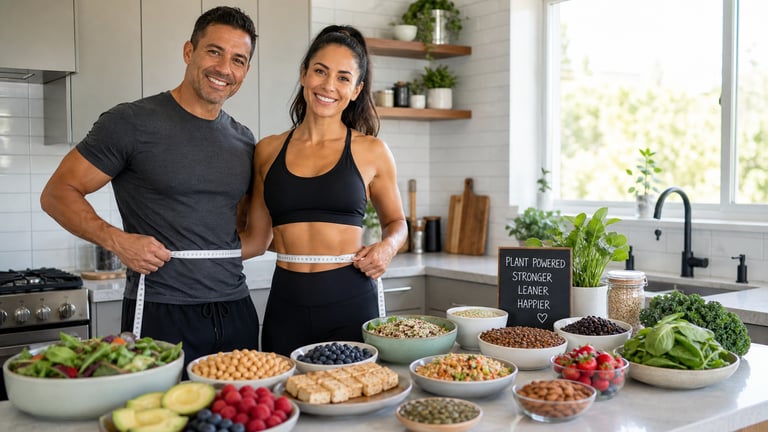

Weight loss is one of the most searched topics on the internet — and for good reason. Most people have tried at least one diet, struggled to stick with it, and ended up back where they started. The problem is rarely willpower. It's that most diets are either too restrictive, too complicated, or simply not sustainable for real life.
A whole-food, plant-based diet is different. After 12 years living and coaching on a vegan diet, I've watched hundreds of clients lose weight not by starving themselves or obsessing over calories, but by shifting to foods that are naturally lower in calorie density, higher in fiber, and far more satisfying than what they were eating before.
And now, in 2025 and 2026, the science has caught up with what vegan coaches have been seeing in practice for years. The evidence is compelling — and this guide will walk you through exactly why it works, how to do it right, and what to avoid so you don't sabotage your results.
What the Latest Research Actually Says About Vegan Diets and Weight Loss
Let's start with the data, because the research is stronger than most people realize.
The VEGPREV trial, a rigorous randomized controlled study published in Frontiers in Nutrition in 2025, assigned 90 overweight adults to one of five dietary groups for 12 weeks: vegan, lacto-ovo-vegetarian, Mediterranean, EAT-Lancet Planetary Health Diet, and a control diet. Every single plant-based group lost more body weight, waist circumference, and fat mass than the control group. But the most dramatic results came from the fully vegan group, which lost an average of 6.7% of total body weight in just 12 weeks — the highest of all five groups. Crucially, no calorie restriction was imposed. Participants simply switched to eating whole plant foods and the weight came off naturally.
A separate randomized cross-over trial, also published in Frontiers in Nutrition in 2025, directly compared a low-fat vegan diet against the world-famous Mediterranean diet in 62 overweight adults over 16 weeks. The vegan diet produced greater weight loss, greater improvements in body composition, better insulin sensitivity, and better cholesterol levels than the Mediterranean diet — widely considered one of the healthiest diets in the world. What made this finding particularly significant was that the vegan group's results held even when they ate foods classified as "unhealthy" by the plant-based diet index, like potatoes and refined grains. The researchers concluded that simply removing animal products and reducing added oils was the primary driver of weight loss — regardless of whether every food choice was perfect.
A comprehensive meta-analysis from the European Congress on Obesity reviewed 11 randomized trials involving nearly 800 participants and found that vegan diets reduced body weight by an average of 4.1 kg compared to control diets. When compared specifically to continuing a standard omnivore diet without any changes, the vegan diet produced an average weight loss of 7.4 kg. The researchers noted that vegan diets lead to weight loss primarily because they reduce calorie intake through lower fat content and dramatically higher dietary fiber — without requiring active calorie counting.
A 2025 cross-sectional study published in Nutrients further confirmed that vegans demonstrate the lowest body fat percentage and visceral adipose tissue (the harmful fat that accumulates around the organs) of any dietary group — including vegetarians, pescatarians, and omnivores.
The conclusion across the research is consistent: a well-planned vegan diet is one of the most effective evidence-based approaches to sustainable weight loss available today.
Why a Vegan Diet Produces Weight Loss: The Mechanisms
Understanding why this works helps you use it more effectively.
High fiber content naturally reduces calorie intake
Whole plant foods are extraordinarily rich in dietary fiber. Fiber slows digestion, keeps you full for longer, stabilizes blood sugar, and reduces the likelihood of overeating. The average omnivore in the US consumes 15–17g of fiber per day. Whole-food vegans routinely consume 40–60g or more. This difference in satiety is one of the primary reasons vegan dieters eat fewer calories without actively trying to restrict themselves.
Lower calorie density without lower volume
Animal products — especially meat, dairy, and eggs — are calorie-dense foods. A 100g serving of chicken breast contains approximately 165 calories. A 100g serving of cooked lentils contains approximately 116 calories and comes with significantly more fiber and volume. When you replace calorie-dense animal foods with calorie-lighter plant foods, you can eat more food by volume while consuming fewer calories overall. This is why many vegan dieters report eating larger portions than before while still losing weight.
Elimination of dietary cholesterol and saturated fat
A plant-based diet contains zero dietary cholesterol (cholesterol is only found in animal products) and is naturally low in saturated fat. Research consistently shows that reducing saturated fat intake improves insulin sensitivity — the body's ability to properly process blood sugar. Better insulin sensitivity means less fat storage and more efficient energy use throughout the day.
Improved gut microbiome composition
A 2025 landmark study analyzing over 20,000 individuals across five countries found that vegans have gut microbiome profiles characterized by the highest levels of fiber-fermenting bacteria, which produce short-chain fatty acids that reduce inflammation, regulate appetite hormones, and support healthy metabolism. Emerging research suggests that a healthier gut microbiome is directly linked to more effective weight management over time.
Healthy Vegan Weight Loss vs. Junk Food Veganism: A Critical Distinction
Here is something I cannot emphasize enough: going vegan does not automatically cause weight loss.
Oreos are technically vegan. So are potato chips, white bread, deep-fried foods cooked in vegetable oil, and many highly processed meat substitutes. If you replace animal products with processed vegan alternatives, you are very likely to maintain your weight or even gain it.
The 2025 research published in Frontiers in Nutrition made this crystal clear. Weight loss on the vegan diet was driven by replacing animal products with whole plant foods — not by swapping a burger for a vegan burger. When researchers examined participants' eating patterns, the consistent predictor of weight loss was an increase in whole plant foods paired with a reduction in animal products and added oils.
The rule is simple: the closer your food is to its natural state, the more it will support your weight loss goals. Lentils, tofu, vegetables, brown rice, oats, fruits, nuts, seeds, and legumes are your foundation. Processed vegan food — vegan sausages, vegan cheese, vegan cookies, plant-based meat products — should be occasional foods, not daily staples.
Your 4-Week Vegan Weight Loss Framework
You do not need to count calories obsessively. But you do need a structure. Here is the framework I use with coaching clients who have weight loss as their primary goal.
The Core Principles
Build every meal around fiber and protein first
Before you think about anything else, ask yourself: where is my fiber coming from, and where is my protein coming from? A meal built on a base of legumes or tofu plus a generous serving of vegetables plus a portion of whole grain will keep you full, fuel your body, and maintain muscle tissue while you lose fat.
Aim for 1.2–1.6g of protein per kilogram of body weight
Protein is the most satiating macronutrient. It reduces hunger hormones, increases the hormones that signal fullness, and protects your muscle tissue during a caloric deficit. Many vegan weight loss attempts fail simply because not enough protein is eaten — and hunger becomes unmanageable. Tempeh, tofu, lentils, chickpeas, edamame, and protein powders are your best tools.
Create a moderate calorie deficit without starving yourself
A deficit of 300–500 calories per day below your total daily energy expenditure produces steady, sustainable fat loss of approximately 0.5–1 lb per week. This is slow enough to preserve muscle and fast enough to produce visible results within 4–6 weeks. You do not need to eat 1,200 calories or starve yourself. The high fiber content of a whole-food vegan diet will naturally keep you in a moderate deficit without aggressive restriction.
Eat 3 structured meals rather than grazing all day
Snacking throughout the day keeps insulin elevated for longer periods, which promotes fat storage. Three protein-rich, fiber-dense meals provide enough satiety that most people do not need to snack. If you do need a snack, choose something high in protein and fiber — a handful of edamame, a tablespoon of almond butter with an apple, or a small portion of hummus with vegetables.
Minimize added oils
This is one of the most consistent findings across vegan weight loss research. Oils are the most calorie-dense food in existence — 120 calories per tablespoon with zero fiber and no satiety benefit. Switching from oil-heavy cooking to steaming, baking, or using vegetable broth for sautéing can reduce daily calorie intake by 200–400 calories without any sense of deprivation.
A Sample Week of Eating for Weight Loss (Approximately 1,600–1,800 Calories)
Monday
Breakfast: Overnight oats with oat milk, chia seeds, blueberries, and 2 tablespoons of hemp seeds
Lunch: Large lentil and vegetable soup with a slice of whole grain bread and a side salad
Dinner: Baked tofu with roasted broccoli, sweet potato, and quinoa
Tuesday
Breakfast: Tofu scramble with spinach, bell peppers, and nutritional yeast on whole grain toast
Lunch: Chickpea salad with cucumber, tomatoes, lemon dressing, and pumpkin seeds
Dinner: Tempeh stir-fry with broccoli, snap peas, garlic, tamari, and brown rice
Wednesday
Breakfast: Smoothie with spinach, frozen banana, 1 cup soy milk, 30g pea protein powder, and flaxseed
Lunch: Black bean and roasted vegetable bowl with quinoa and avocado
Dinner: Red lentil dal with brown rice and steamed kale
Thursday
Breakfast: Overnight oats with walnuts, cinnamon, and sliced apple
Lunch: Hummus wrap with roasted vegetables, arugula, and white beans in a whole grain tortilla
Dinner: Cauliflower and chickpea curry with brown rice
Friday
Breakfast: Buckwheat pancakes with berries and a handful of pumpkin seeds
Lunch: Lentil and vegetable soup with whole grain bread
Dinner: Baked falafel with tabbouleh, roasted sweet potato, and tahini sauce
Saturday
Breakfast: Chia pudding made with soy milk topped with mango, kiwi, and hemp seeds
Lunch: Tempeh and avocado grain bowl with mixed greens and lemon-tahini dressing
Dinner: Vegan chili with kidney beans, black beans, corn, tomatoes, and cornbread
Sunday
Breakfast: Avocado toast on whole grain bread with sliced tomato and hemp seeds
Lunch: Buddha bowl with quinoa, roasted vegetables, edamame, and tahini
Dinner: Eggplant and chickpea stew over couscous with a fresh cucumber salad
Notice that every meal is built on whole plant foods, contains meaningful protein, is rich in fiber, and keeps added oil to a minimum. No calorie counting required.
6 Reasons Vegans Sometimes Don't Lose Weight — And How to Fix Each One
Not every vegan loses weight automatically. If you are eating a plant-based diet and not seeing results, one of these six reasons is almost certainly the cause.
Reason 1 — Too much processed vegan food
Vegan burgers, vegan cheese, vegan cookies, and plant-based frozen meals are often high in sodium, added oils, refined flour, and empty calories. If these are your staples rather than your occasional treats, your calorie intake will stay high and weight loss will stall. Fix: make whole foods — legumes, vegetables, grains, tofu, tempeh — the foundation of every meal.
Reason 2 — Underestimating healthy fat calories
Avocado, nuts, nut butters, coconut milk, and oils are all healthy foods — but they are extremely calorie dense. A single avocado contains 250–320 calories. Two tablespoons of peanut butter contain 190 calories. These foods are nutritious, but eating large quantities every day while trying to lose weight will keep you in a caloric surplus. Fix: include healthy fats in moderation — a quarter of an avocado, a small handful of nuts, a tablespoon of nut butter — rather than unlimited amounts.
Reason 3 — Not enough protein
Without sufficient protein, hunger is difficult to manage and muscle tissue is harder to preserve during fat loss. Many new vegans fill their plates with vegetables and grains and neglect protein — which leads to hunger, cravings, and eventual abandonment of the diet. Fix: include a high-quality protein source — tempeh, tofu, lentils, chickpeas, or a protein powder — at every single meal.
Reason 4 — Liquid calories
Plant milks, fruit juices, smoothies, vegan creamers in coffee, and sweetened drinks can add 300–500 liquid calories to your day without you noticing. Unlike solid food, liquid calories don't trigger the same satiety response and are easy to overconsume. Fix: drink primarily water, black coffee, or unsweetened teas. When making smoothies, use them as a meal replacement with protein and fiber, not as a drink alongside meals.
Reason 5 — Grazing throughout the day
Eating small amounts continuously keeps insulin elevated, promotes fat storage, and makes it very easy to consume far more calories than intended. Many health-conscious vegans fall into this trap with "healthy" snacks — a handful of nuts here, a spoonful of almond butter there, a few dates — without realizing how quickly the calories accumulate. Fix: eat three structured, satisfying meals. If you need a snack, choose something with at least 10g of protein and 5g of fiber to maintain fullness.
Reason 6 — Not enough movement
Diet is responsible for the majority of weight loss outcomes — but resistance training and regular physical activity accelerate fat loss, protect muscle mass, improve insulin sensitivity, and make the entire process far more effective. A vegan diet combined with a structured training program produces dramatically better results than either alone. Fix: aim for at least three resistance training sessions and 150 minutes of moderate activity per week.
The 3 Supplements You Still Need
Even on a perfectly designed vegan weight loss plan, these three supplements are non-negotiable:
Vitamin B12 — There is no plant food source of B12. Supplement with 1,000 mcg of methylcobalamin daily. B12 deficiency impairs energy metabolism and will make weight loss harder and your energy levels lower.
Vitamin D3 (algae-based) — Vitamin D plays a role in insulin sensitivity and fat metabolism. Most people are deficient regardless of diet. Take 1,000–2,000 IU daily.
Omega-3 (algae-based DHA/EPA) — Omega-3 fatty acids reduce inflammation, support metabolic health, and improve the hormonal environment for fat loss. Take 250–500mg of combined DHA/EPA from an algae-based supplement daily.
What to Expect and When
Weeks 1–2: Your digestion will adjust to higher fiber intake. Some bloating is normal and temporary. Drink more water than usual. The scale may not move much in the first week as your body adapts.
Weeks 3–4: Most people begin to notice weight loss, reduced bloating, improved digestion, and more consistent energy. This is where the fiber-driven reduction in calorie intake begins to show up on the scale.
Weeks 5–8: Consistent, measurable weight loss typically becomes established. Hunger becomes easier to manage as your gut microbiome adapts to the higher fiber environment and your appetite hormones normalize.
After 3 months: Research shows average weight loss of 5–7% of body weight on a well-planned vegan diet over 12 weeks — without calorie restriction. With a structured calorie deficit added on top, results can be significantly greater.
Ready to make this work for you with a personalized plan built by a certified vegan nutrition coach?
My plant-based nutrition coaching program is available worldwide via online coaching. I will build you an exact meal structure, calorie and protein targets, and supplement protocol tailored to your body, your goals, and your lifestyle.
Also read: How to Transition to a Vegan Diet
Also read: Complete Vegan Protein Guide for Athletes
Also read: Can Vegans Build Muscle?
***
About the Author: Igor is a NASM Certified Corrective Exercise Specialist, ACE Certified Personal Trainer and Plant-Based Nutrition Coach with 23+ years of experience. He has followed a fully plant-based diet for 12 years and coaches clients both online and in Las Vegas, Nevada.
Medical & Health Disclaimer
The information provided on this blog is intended for general informational and educational purposes only. Nothing on this site constitutes medical advice, and no information here should be used as a substitute for professional medical advice, diagnosis, or treatment from a licensed physician or qualified healthcare provider.
Igor Mihajlovic is a ACE Certified Personal Trainer, NASM Corrective Exercise Specialist, and Plant-Based Nutrition Coach — not a medical doctor. The training advice, nutrition guidance, and supplement recommendations shared on this blog reflect his personal experience and professional expertise as a certified fitness professional, and are not a replacement for individualized medical care.
Always seek the advice of your physician or another qualified health provider before beginning any exercise program, changing your diet, or taking any nutritional supplement. Never disregard professional medical advice or delay seeking it because of something you have read on this website.
Individual results will vary. Testimonials and examples used on this blog do not guarantee that anyone will achieve the same or similar results.
Sources & References
VEGPREV Study — Effectiveness of Four Plant-Based Diets on Body Weight and Metabolic Parameters in Overweight Adults — Frontiers in Nutrition (2025)
Link: https://www.frontiersin.org/journals/nutrition/articles/10.3389/fnut.2025.1677496/fullKahleova H, et al. — Plant-Based Dietary Index on the Mediterranean and a Vegan Diet: A Secondary Analysis of a Randomized Cross-Over Trial — Frontiers in Nutrition (2025)
Link: https://pubmed.ncbi.nlm.nih.gov/41346691/Termannsen A-D, et al. — Vegan Diets Boost Weight Loss and Lower Blood Sugar: Meta-Analysis of 11 Randomized Trials — European Congress on Obesity / EurekaAlert (2022)
Link: https://www.eurekalert.org/news-releases/951726Dietary and Lifestyle Patterns and Cardiovascular and Inflammatory Biomarkers in Vegans, Vegetarians, Pescatarians, and Omnivores — Nutrients (2025)
Link: https://pubmed.ncbi.nlm.nih.gov/41373924/Vegan Diet, Processed Foods, and Body Weight — PMC / NIH (2025)
Link: https://pmc.ncbi.nlm.nih.gov/articles/PMC11898994/Barnard ND, et al. — A Plant-Based Diet in Overweight Individuals in a 16-Week Randomized Clinical Trial — Nutrition & Diabetes / Nature (2018)
Link: https://www.nature.com/articles/s41387-018-0067-4Barnard ND, et al. — Effect of a Low-Fat Vegan Diet on Metabolic Measures in Overweight Adults — JAMA Network Open (2020)
Link: https://jamanetwork.com/journals/jamanetworkopen/fullarticle/2773291Turner-McGrievy G, et al. — Plant-Based Diets in the Reduction of Body Fat — PMC / NIH (2019)
Link: https://pmc.ncbi.nlm.nih.gov/articles/PMC6893503/